

Make every meeting earn its place.
Zero Meeting Budget helps leaders rebuild recurring meeting calendars from zero so every meeting has a clear purpose, the right amount of time, and the right people in the room.
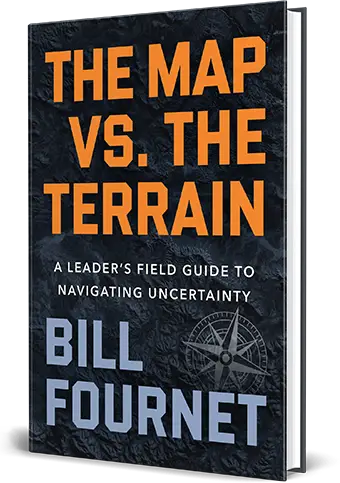
Bill writes about Zero Meeting Budget in chapter 5.
Get the book →Recurring meetings have a way of becoming permanent. A meeting gets created to solve a specific problem, the problem changes or disappears, and the calendar invite keeps going.
Zero Meeting Budgeting applies the logic of zero-based budgeting to your calendar. Start every recurring meeting at zero. Then decide which meetings deserve to come back based on their purpose, outcome, length, and attendee list.
The exercise also makes the cost of meetings visible. A one-hour meeting with ten people uses ten hours of organizational capacity every time it occurs. Looking at that cost across a full year can change how a team thinks about meeting length, frequency, and attendance.
Once you decide which meetings are worth keeping, right-size them. Shorten the time, reduce the attendee list, move information sharing to asynchronous channels, and replace removed meetings with a better way to accomplish the function they were serving.
Then decide what the reclaimed time is for. Protecting that capacity for deep work, strategic thinking, coaching, customer work, or recovery keeps it from quietly filling back up.
The goal is to make meeting time a deliberate investment instead of a permanent calendar inheritance.
List every recurring meeting on the team’s calendar, including meetings you inherited and meetings that feel untouchable.
For each one, calculate the annual cost:
Attendees × duration × occurrences per year = organizational hours spent
Then establish the rule for the review:
Nothing carries forward automatically.
Every recurring meeting has to earn its place back on the calendar.
Starting from zero changes the question from “Should we remove this?” to “Why should we keep this?”
Review each meeting using three questions:
Purpose: Why does this meeting exist?
Outcome: What needs to be different when it ends?
Plan: How will the time be used to produce that outcome?
Then ask:
Why was this meeting originally created, and does that reason still exist?
Sort each meeting into keep, redesign, or cut.
A standing invitation shouldn’t be the reason a meeting continues.
Look at duration before accepting the existing time block.
Test whether a 60-minute meeting can become 30 or 45 minutes. Adjust the format so the shorter meeting can still produce its intended outcome.
You can:
Lead with the recommendation or decision
Move background information to a pre-read
End the meeting as soon as the outcome is reached
Then review the attendee list. Decide who needs to participate and who only needs the outcome afterward.
Give the meeting the time and people the work actually requires.
Before cutting a meeting, identify what useful function it was serving.
Then choose a better mechanism for that work.
Status and updates: Written update or shared dashboard
Routine decisions: Asynchronous decision log
Individual coaching or friction: Targeted one-on-one
Unclear ownership: Documented escalation path
Replacing the function keeps removed meetings from quietly reappearing in another form.
Calculate the capacity you reclaimed and decide how the team will use it.
That might include:
Deep work
Strategic thinking
Coaching and development
Customer conversations
Focused execution
Recovery time
Protect that time on the calendar where appropriate.
Then schedule the next meeting review so new recurring meetings don’t accumulate indefinitely.
Reclaimed time becomes valuable when you decide what deserves to replace the meetings.
The core technique stays the same — but how you apply it shifts depending on your role, your team, and your environment.
Start with your own calendar.
Executive meetings create work beyond the time shown on the invitation through preparation, pre-reads, follow-ups, and meetings held in advance of the meeting itself.
Review the recurring meetings you convene before asking the rest of the organization to reduce theirs.
<em>Visible changes at the top make it easier for everyone else to challenge calendar habits.</em>
A new leadership role gives you a natural opportunity to ask why recurring meetings exist.
Run the review early, while questions about the existing calendar still feel expected. Ask team members which meetings they find most valuable and why before deciding what should change.
<em>An inherited meeting deserves the same scrutiny as a meeting you would choose to create yourself.</em>
Include the inconvenience created by meeting times across time zones when you evaluate cost.
Be especially selective about standing update meetings. Written updates, shared dashboards, and asynchronous decision mechanisms may preserve the function while reducing the number of people who have to join live.
Protect live time for conversations that genuinely benefit from people being together.
Identify meetings required by regulation, contract, or safety protocol before beginning the review.
Mark those requirements clearly, then evaluate the remaining meetings normally.
<em>Required meetings can stay required without making every meeting around them untouchable.</em>
Watch your footing
PowerPlays are the techniques Bill teaches in his keynotes, workshops, and executive coaching engagements with organizations across the country.
Monthly newsletter
Practical application for leading through uncertainty, once a month.