

Define How Teams Work Together
Team Charter helps teams define how they’ll communicate, decide, disagree, and hold one another accountable so everyone understands how the team will operate together.
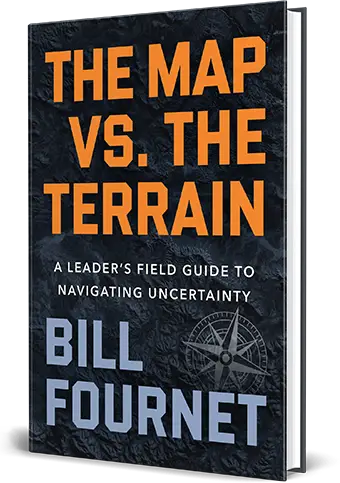
Bill writes about Team Charter in chapter 5.
Get the book →The Team Charter defines how the people doing the work will operate together.
Teams make dozens of small assumptions about how work will happen. Which channel should I use? How quickly should I respond? Who gets the final say? How should I raise a concern? What does accountability look like here?
Those assumptions usually stay invisible until people answer them differently.
A Team Charter gives the team a structured way to make those expectations explicit before the work begins. Together, the team agrees on what success looks like, how they’ll communicate, how decisions will be made, and how they’ll handle disagreement.
The value comes from building the charter together. The conversation surfaces differences people may not realize exist and gives the team a chance to decide how they want to operate before those differences create friction.
The goal is to create a simple operating agreement the team can return to when expectations become unclear or the way they’re working together needs to change.
Start by agreeing on the standards the team wants to hold itself to.
Ask:
What does our best work look like?
What standards matter most to us?
What would we be uncomfortable putting our name on?
Talk about quality, effort, follow-through, and what “done well” means for this team.
Shared standards give the team a common reference point before work starts being evaluated.
Define how the team will communicate during normal work and when something becomes urgent.
Ask:
Which channels do we use for which kinds of communication?
What response times should people expect?
How do we signal that something is time-sensitive?
Capture the answers in clear, practical language.
Clear communication agreements reduce the number of decisions people have to improvise later.
Agree on how decisions will be made and who has authority to make them.
Ask:
Which decisions belong to one person?
Which require team input?
What information do we need before committing?
How will we handle a decision when people disagree?
Decision clarity helps the team move without repeatedly renegotiating who gets the final say.
Talk about how the team wants to respond when disagreement, frustration, or mistakes occur.
Ask:
What does constructive disagreement look like here?
How will we raise concerns early?
What do we owe one another when something goes wrong?
How will we repair trust after a difficult moment?
Agreeing on the rules of repair gives the team somewhere to start when emotions are higher.
Capture the team’s agreements on one page using plain language.
Keep the charter somewhere visible and refer to it when decisions, communication, or conflict raise questions about how the team agreed to operate.
Review it quarterly and update it as membership, scope, or working conditions change.
A useful charter changes with the team instead of becoming a document everyone forgets.
The core technique stays the same — but how you apply it shifts depending on your role, your team, and your environment.
Come to the conversation with questions rather than a finished charter. Your job is to make sure the team has room to surface different expectations, work through them, and create agreements everyone understands.
Spend extra time where answers diverge, especially around decision authority and conflict.
<em>The facilitator’s job is to help the team create agreements they can actually use.</em>
People coming from different functions may bring their own norms for communication, approvals, response times, and decision authority.
Pay particular attention to who can commit the team, which decisions require broader input, and how issues will be escalated across functional boundaries.
<em>Cross-functional work gets easier when authority and communication expectations are explicit from the beginning.</em>
Start by asking people how the team currently works.
Have team members describe the norms they believe already exist around communication, decisions, accountability, and conflict. Compare the answers and use the differences to identify what needs clarification or reset.
<em>Existing teams usually already have a charter. It may simply be unwritten and understood differently by different people.</em>
Watch your footing
PowerPlays are the techniques Bill teaches in his keynotes, workshops, and executive coaching engagements with organizations across the country.
Monthly newsletter
Practical application for leading through uncertainty, once a month.