

Think Past the First Move
Sequel Development helps leaders anticipate the next likely consequences of a decision so they can prepare before those consequences demand a response.
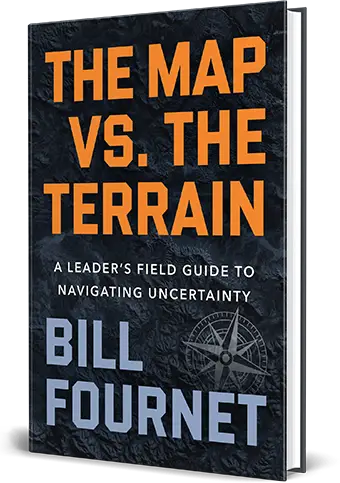
Bill writes about Sequel Development in chapter 12.
Get the book →Most decisions don’t end when you make them. They set something else in motion.
A launch changes demand. A restructure changes behavior. A new policy creates workarounds. A strategic move gives competitors, customers, or employees something new to react to.
Sequel Development helps you get ahead of that chain.
Instead of asking only, “What should we do?”, you keep going:
If we do this, what is likely to happen next? What might that create after that? And where will we need to make another decision?
The goal is not to predict the future with precision. It is to avoid being surprised by consequences that were visible enough to prepare for.
You identify the most likely next effects, watch for the signals that tell you which direction things are moving, and decide in advance what your first response should be.
That small amount of foresight can make a major difference. When the next decision arrives, your team is not starting from zero, debating under pressure, or reacting to something that suddenly feels urgent.
You have already thought one move ahead.
That is the discipline behind Sequel Development: make the first decision with the next one already in view.
Start with one consequential action, commitment, or transition.
Keep it specific. Sequel Development works best when the team can follow a clear chain of cause and effect rather than trying to map an entire strategy at once.
Ask what you are about to decide, what changes once you commit, and what future choices that decision may create.
Example:
You are moving customer support from regional teams to a centralized model. Once the migration begins, reversing course will become more difficult.
Define the event, threshold, or new information that would tell you the situation is changing.
A useful trigger turns “we'll watch it” into a decision point.
Name what you would observe, when it matters, and who is responsible for noticing it.
Example:
If first-contact resolution falls below 80% for two consecutive weeks, pause the next regional migration and determine what is driving the decline.
For each meaningful trigger, follow the likely chain of consequences two or three moves ahead.
Stay logical. Ask what this outcome is likely to create next, what new decision it may force, and where risk or opportunity could compound.
You do not need every possible branch. Focus on the pathways that would materially change what the team does.
Example:
Centralization improves consistency → demand rises faster than staffing → wait times increase → customer satisfaction begins to fall.
For each important pathway, determine what you would do first if it begins to unfold.
You do not need a complete response plan. Prepare enough that the team does not start from zero.
Clarify the action, the owner, any resources required, and how much authority the person has to respond without waiting for another approval.
Example:
If wait times cross the agreed threshold, the operations lead can add temporary staffing and delay the next migration without waiting for executive approval.
Once the decision is in motion, keep watching the triggers.
New information will make some pathways more likely, eliminate others, or expose consequences you could not see earlier.
Update the sequel map rather than treating it like a plan you have to defend.
Example:
Two weeks into the rollout, resolution rates remain strong but staffing demand is rising faster than expected. The team updates the next likely consequence and prepares capacity earlier than planned.
Watch your footing
PowerPlays are the techniques Bill teaches in his keynotes, workshops, and executive coaching engagements with organizations across the country.
Monthly newsletter
Practical application for leading through uncertainty, once a month.