Who is Better Off Because You’re Here?
The launch of The Map vs. the Terrain: A Leader’s Field Guide to Navigating Uncertainty marked the culmination of years of work. Just one week later, Bill Fournet lost his father, David Grissett. In reflecting on these two very different moments, Bill considers his father’s lasting advice to “leave the world a better place than you found it” and what those words can teach us about leadership, impact, and the legacy we create through everyday choices.
*******
Leadership Impact Is About What We Leave Behind
September brought both reasons to celebrate and reasons to grieve, and I’m still making sense of how closely the two can coexist. On September 15, The Map vs. the Terrain was released. After years of writing and preparation, I got to celebrate its arrival with family, friends, colleagues, and many of you. A week later, my dad, David Grissett, the man who raised me, passed away.
I’ve felt gratitude, excitement, grief, and the strange experience of carrying all of them at once.
There have been moments when I wanted to pause and take in the joy of the book launch, followed almost immediately by a flood of emotions at the realization that Dad was gone.
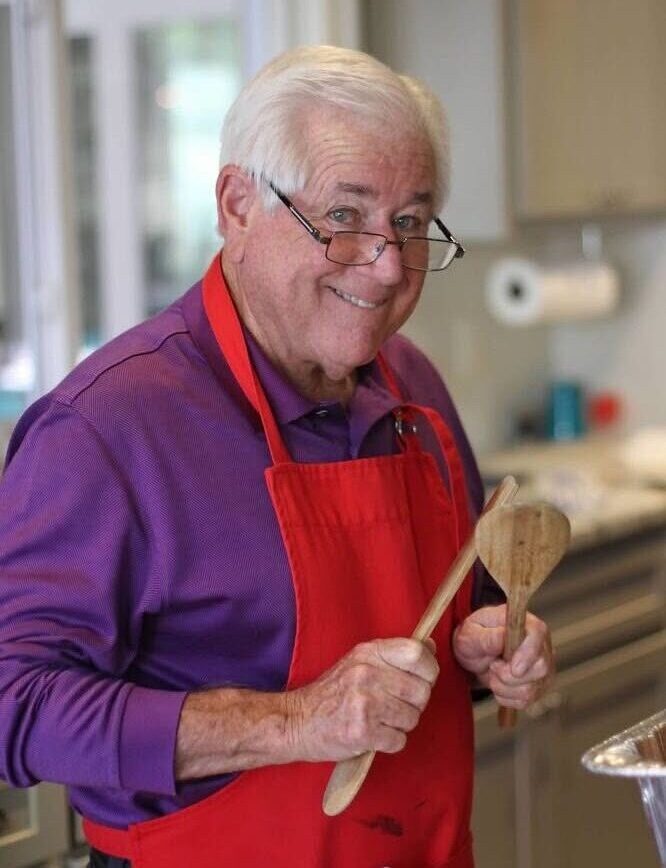
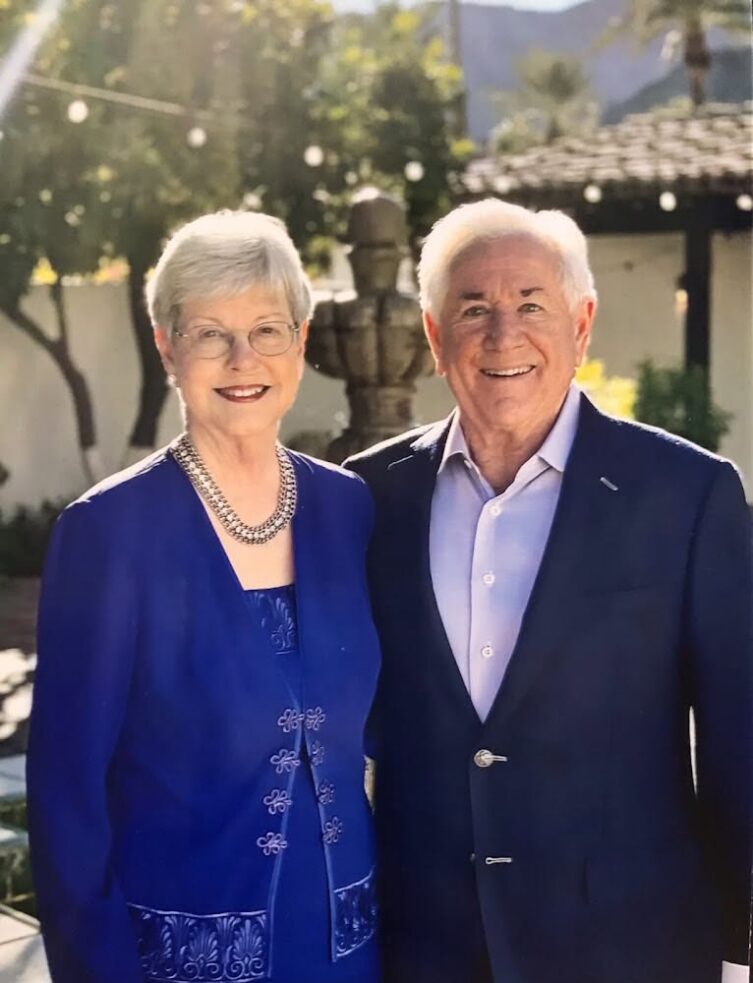

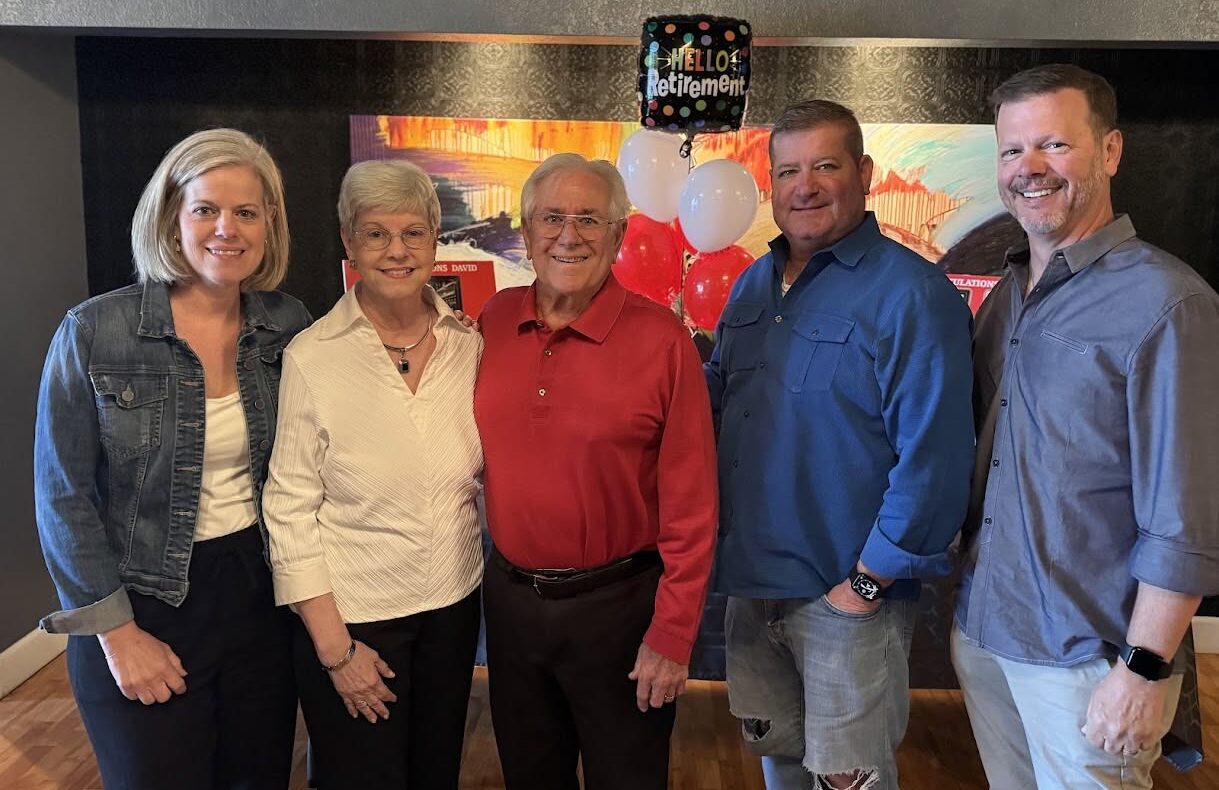
One of his favorite mantras was:
“Leave the world a better place than you found it.”
Dad lived that idea in ordinary, lasting ways. For 45 years as a State Farm agent in Enid, Oklahoma, he helped families protect what mattered to them and guided people through difficult moments. To him, those relationships were personal. Many lasted for decades.
I’ve been thinking about what that says about impact. Dad could not always make a hard situation easy for someone. He could listen, help them understand their options, and be a person they trusted to follow through. He did that work year after year, one family, and one conversation at a time.
As I’ve thought about his life, I keep coming back to a question:
Who is better off because I am here?
What does “better” look like in your organization?
That’s a useful question for business leaders, too. We can measure the projects we finish, the goals we hit, and the growth we achieve. We should. Those results allow our organizations to keep serving people and investing in what comes next.
But when you think about the impact of your leadership, I’d encourage you to look beyond the scorecard. Consider the people whose days are shaped by the decisions you make.
Is someone on your team more capable because you took the time to develop them? Can a customer get the help they need with less confusion or frustration? Have you made it easier for your colleagues to do good work without burning themselves out? Is the organization stronger, and are its people better prepared for the future, because of what you chose to build?
The answers may be found in small things. A leader gives someone the chance to make a decision they’ve never been trusted to make before. A team fixes a recurring problem that customers have learned to live with. An organization makes room for employees to serve a community cause they care about. Each choice leaves something behind.
Of course, our impact is not always what we intended. A decision that looks efficient from a leadership meeting can create an obstacle for the people doing the work. A push to meet an important goal can leave a team exhausted if we never ask what the pace is costing them. If we want to leave things better, we have to ask how our decisions affect people and listen carefully to what they tell us.
Make Impact Part of Your Intent
One of the tools I teach, Leader’s Intent, begins with three elements: the outcome we want to achieve, the purpose behind it, and the broad approach we’ll use to get there. It helps a team understand what success looks like and make good decisions when the plan needs to change.
Dad’s words have me thinking more carefully about the purpose part. When you define an outcome, try asking: Whose life or work will be better if we succeed, and how will we know?
Suppose your team is working to improve customer service. You could define success by how quickly you close requests. That might be a useful measure. You could also ask whether customers feel heard, whether they get a clear answer, and whether your employees have the authority to solve the problem in front of them. Those questions may lead you to different decisions about where to invest your time.
Or suppose you’re developing a future leader. The goal may be to fill a role. The deeper impact could be a person who has gained confidence, judgment, and the ability to develop others in turn. That takes more than assigning tasks. It takes attention, honest feedback, and room to grow.
I don’t think we need to attach a grand statement to every choice. We do need to make time to notice what our choices make possible for others.
Three Questions to Turn Intent into Impact
This month, consider one team, one customer group, or one community your organization serves. Ask three questions:
- What is their experience today? Hear it from them if you can.
- What would be meaningfully better for them? Describe a change they would actually notice.
- What is one decision we can make now to move toward it? Give someone ownership and follow through.
You don’t need to solve every problem or launch a major initiative. You might mentor someone, remove a frustrating barrier, support a cause in your community, or give a customer the care you would want for your own family. Small actions, repeated over time, become part of what we leave behind.
As you plan the final months of this year, take a few minutes to reflect upon Dad’s words. Ask what you and your team could leave a little better than you found it. Then choose one thing you can do this month.
That feels like a good way for me to honor him.
~ Bill